






















Your strategy is sound. Execution is where it breaks.

But somewhere between what leaders think, what they say, and what teams do - execution gap builds quietly.

Your strategy is sound. Execution is where it breaks.

But somewhere between what leaders think, what they say, and what teams do - execution gap builds quietly.

Execution gap is invisible, until it's expensive.

As complexity increases, small gaps between intent, communication, and action compound into real costs - missed timelines, misaligned priorities, leadership friction.

We call this the Think–Say–Do Gap. It's the root cause of most execution failures - present in almost every leadership team that's scaling, but rarely named.

Gagandeep M,
Co-founder, Pilgrim

We always assumed alignment would happen naturally. This process showed us how wrong we were. Now we have a shared operating system - a reference point for every decision.

Execution gap is invisible, until it's expensive.

As complexity increases, small gaps between intent, communication, and action compound into real costs - missed timelines, misaligned priorities, leadership friction.

We call this the Think–Say–Do Gap. It's the root cause of most execution failures - present in almost every leadership team that's scaling, but rarely named.

Gagandeep M,
Co-founder, Pilgrim

We always assumed alignment would happen naturally. This process showed us how wrong we were. Now we have a shared operating system - a reference point for every decision.

Execution gap is invisible, until it's expensive.

As complexity increases, small gaps between intent, communication, and action compound into real costs - missed timelines, misaligned priorities, leadership friction.

We call this the Think–Say–Do Gap. It's the root cause of most execution failures - present in almost every leadership team that's scaling, but rarely named.

Gagandeep M,
Co-founder, Pilgrim

We always assumed alignment would happen naturally. This process showed us how wrong we were. Now we have a shared operating system - a reference point for every decision.

Execution gap shows up when

You just got funded. Now everyone wants a plan you're not aligned on.

The board expects a Value Creation Plan. Your leadership team has three different versions of what "execution" means.

Everyone's excited about AI. No one's aligned on how work changes.

There's budget, there's ambition - but no shared picture of what transformation actually looks like on the ground.

The deal closed. Six months later, you're still running two companies.

Org chart says integrated. Reality says turf wars, duplicate processes, and "us vs. them" in every room.

You've built a senior team. They're not yet operating as one.

Strong individual leaders. But in the room together? Politics, deference, or silence - not the alignment you expected.

You've doubled headcount. Decision-making hasn't kept up.

What worked at 200 people is breaking at 500. Everything takes longer. Priorities compete. The centre can't hold.

You're working harder than ever. Growth has stalled anyway.

The early playbook ran out. The next phase requires a leadership system you haven't built yet.

Execution gap shows up when

You just got funded. Now everyone wants a plan you're not aligned on.

The board expects a Value Creation Plan. Your leadership team has three different versions of what "execution" means.

You've doubled headcount. Decision-making hasn't kept up.

What worked at 200 people is breaking at 500. Everything takes longer. Priorities compete. The centre can't hold.

You've built a senior team. They're not yet operating as one.

Strong individual leaders. But in the room together? Politics, deference, or silence - not the alignment you expected.

Business Solutions

Org chart says integrated. Reality says turf wars, duplicate processes, and "us vs. them" in every room.

Everyone's excited about AI. No one's aligned on how work changes.

There's budget, there's ambition - but no shared picture of what transformation actually looks like on the ground.

You're working harder than ever. Growth has stalled anyway.

The early playbook ran out. The next phase requires a leadership system you haven't built yet.

Execution gap shows up when

You just got funded. Now everyone wants a plan you're not aligned on.

The board expects a Value Creation Plan. Your leadership team has three different versions of what "execution" means.

The deal closed. Six months later, you're still running two companies.

Org chart says integrated. Reality says turf wars, duplicate processes, and "us vs. them" in every room.

You've doubled headcount. Decision-making hasn't kept up.

What worked at 200 people is breaking at 500. Everything takes longer. Priorities compete. The centre can't hold.

Everyone's excited about AI. No one's aligned on how work changes.

There's budget, there's ambition - but no shared picture of what transformation actually looks like on the ground.

You've built a senior team. They're not yet operating as one.

Strong individual leaders. But in the room together? Politics, deference, or silence - not the alignment you expected.

You're working harder than ever. Growth has stalled anyway.

The early playbook ran out. The next phase requires a leadership system you haven't built yet.

Most execution problems aren't strategy problems.

Execution failures rarely come from bad strategy. They come from leadership systems that were never redesigned for the current complexity.

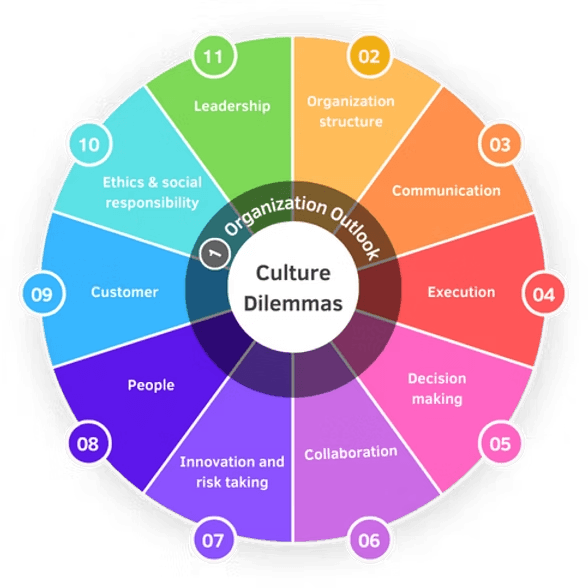
Our Dilemmas Resolution Framework uncovers the unspoken tensions between competing priorities - the trade-offs teams avoid, the decisions that stay stuck, the gaps no one names.

Through structured diagnosis, facilitated resolution, and embedded change, we help leadership teams close the Think–Say–Do Gap before it costs you momentum, money, or trust.

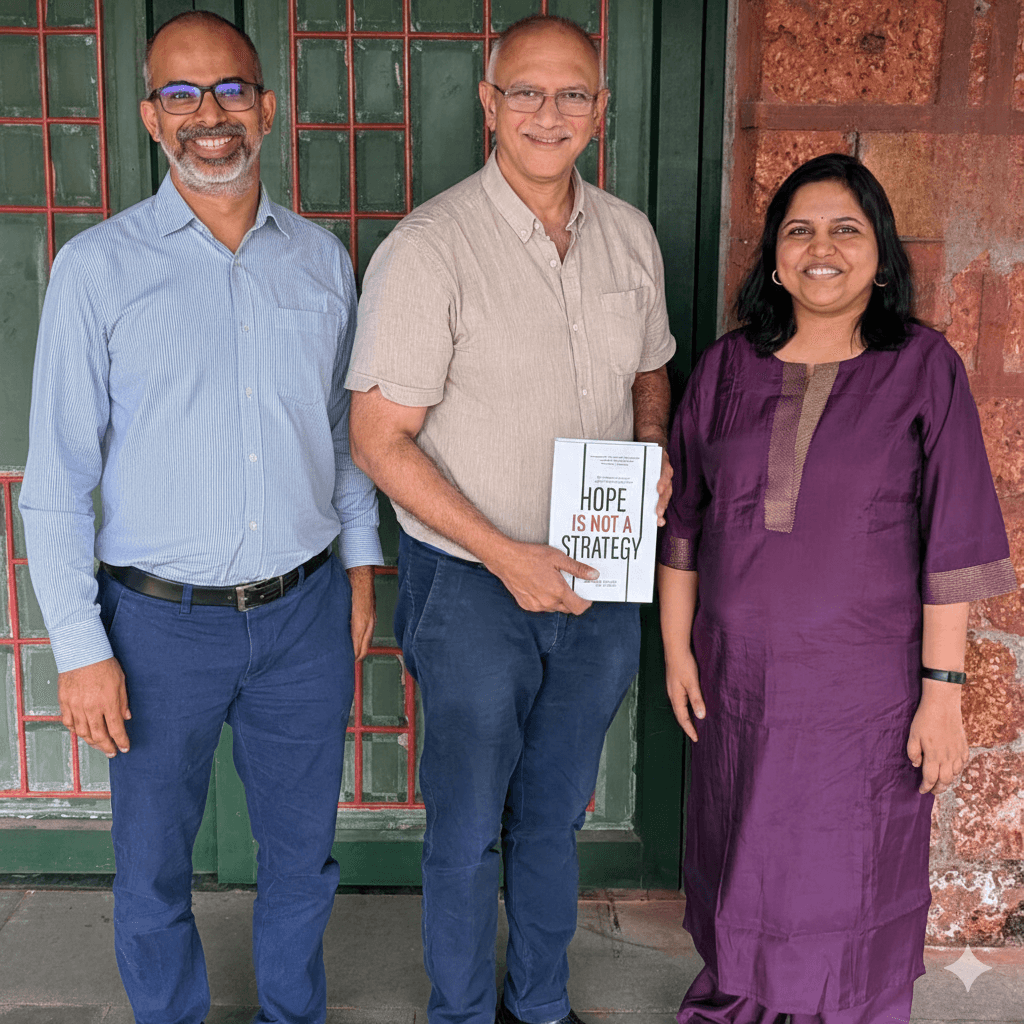
Dr. Anand Deshpande, Founder & Chairman, Persistent Systems
Dr. Anand Deshpande,
Founder & Chairman, Persistent Systems

The Dilemmas Resolution Framework provides a systematic process to resolve key organizational dilemmas, guiding leaders through the maze and providing a clear path forward.

The Dilemmas Resolution Framework provides a systematic process to resolve key organizational dilemmas, guiding leaders through the maze and providing a clear path forward.

The Dilemmas Resolution Framework

Execution gaps often hide in unresolved dilemmas - tensions between two good options that teams avoid rather than resolve.

Growth vs. profitability. Control vs. empowerment. Speed vs. quality. Standardisation vs. flexibility.

These don't have "right" answers, which is why they stay stuck. We help leadership teams name the dilemmas, make conscious trade-offs, and align on how to navigate them - so execution moves in one direction.

The Dilemmas Resolution Framework

Execution gaps often hide in unresolved dilemmas - tensions between two good options that teams avoid rather than resolve.

Growth vs. profitability. Control vs. empowerment. Speed vs. quality. Standardisation vs. flexibility.

These don't have "right" answers, which is why they stay stuck. We help leadership teams name the dilemmas, make conscious trade-offs, and align on how to navigate them - so execution moves in one direction.

The Dilemmas Resolution Framework

Execution gaps often hide in unresolved dilemmas - tensions between two good options that teams avoid rather than resolve.

Growth vs. profitability. Control vs. empowerment. Speed vs. quality. Standardisation vs. flexibility.

These don't have "right" answers, which is why they stay stuck. We help leadership teams name the dilemmas, make conscious trade-offs, and align on how to navigate them - so execution moves in one direction.

The gap between your intent and your outcomes has a name. Let's find it.

No prep required. No commitment required.